
Moving with pets and treasured plants means a little extra planning — and a lot of peace of mind when it’s done right. This guide walks you through preparing dogs and cats for a move to Nashville, keeping pets safe on moving day, and transporting houseplants with minimal shock. You’ll find vet visit checklists, steps to update microchips and ID tags, moving‑day containment and transport options, plus plant‑specific packing and post‑move care. We also include quick-reference tables for local vets, emergency clinics, and pet-friendly parks so you can make fast decisions. Near the end we explain when a local mover can help — from custom crating to labor‑only support — so you can focus on your pets and plants while professionals handle the heavy lifting.
How to Prepare Your Pets for a Move to Nashville
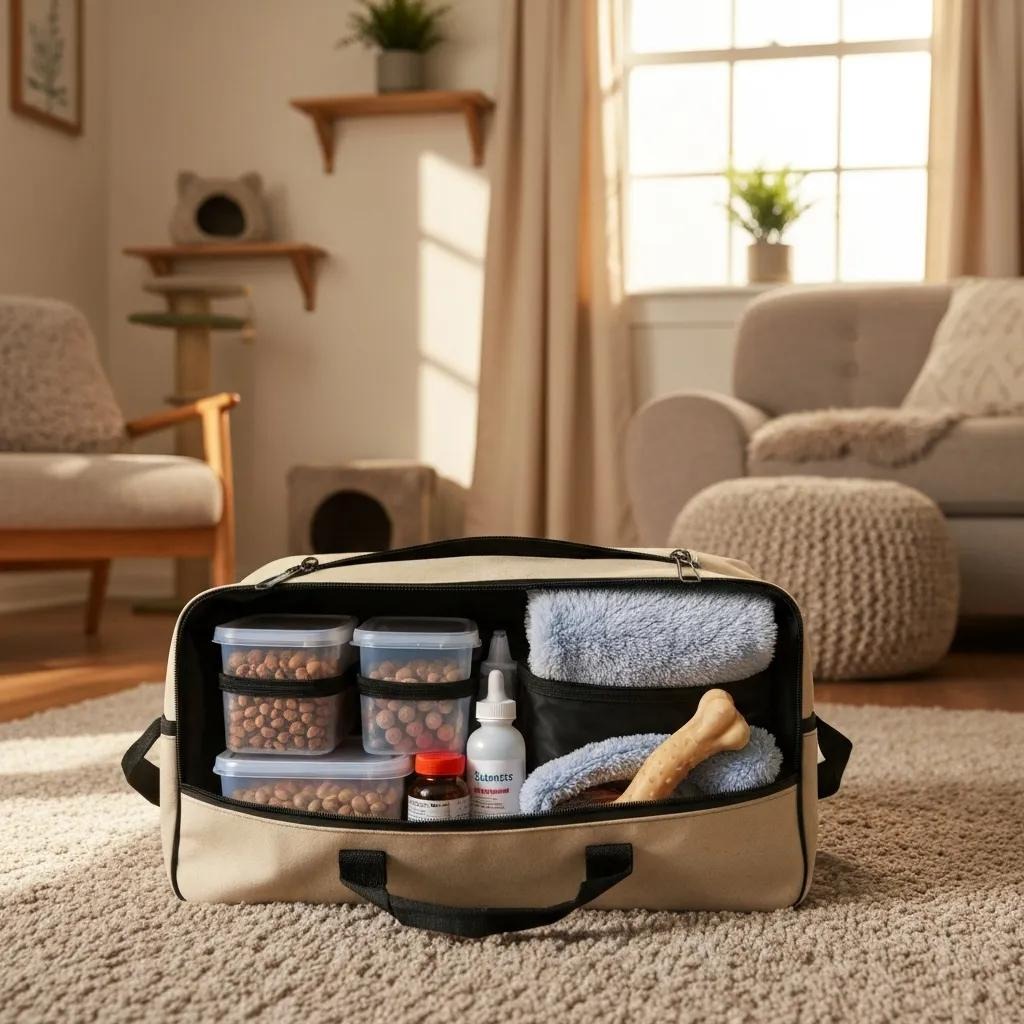
Preparing pets for a move means sorting health paperwork, updating IDs, and easing them into travel routines so they arrive safe and calm. Start with a pre-move vet appointment, pack a pet go‑bag with food, meds, and comfort items, and practice crate or car trips ahead of time to lower anxiety. Early planning cuts the chance of missed shots or lapsed records and gives you time to update microchip registries and phone numbers. These steps make moving day safer for your animals and smoother for the whole household — next are the specific documents to gather.
Vet Visits & Health Records You’ll Need

A pre-move vet visit confirms vaccines, screens for parasites, and produces any health certificates carriers or clinics may require. Typical paperwork includes current vaccination records, a rabies certificate, and — when needed for travel — a signed health certificate, usually dated within 10–30 days of your move. Book early so boosters or tests don’t delay travel, and use the visit to discuss motion sickness or anxiety options. Keep both digital and paper copies of records so new vets can set up care quickly after arrival.
Use the table below to see what to collect and where to get each document.
| Document | Purpose | Where to Get It |
| Vaccination record | Proof of current shots for vet visits, boarding, and some carriers | Your current veterinarian |
| Rabies certificate | Official proof of rabies vaccination and for licensing | Vet office or municipal registry |
| Health certificate | Confirms your pet is fit to travel; sometimes required by transport providers | Licensed veterinarian within 10–30 days of travel |
Keeping these documents up to date speeds new-client registration at a Nashville clinic and helps ensure safe transport to your new home.
Updating Your Pet’s ID and Microchip
Start by updating contact details on collars, tags, and microchip registries so your new address and phone number are on file. Take a current photo of your pet and make a temporary ID card listing your destination contact info in case registry changes aren’t immediate. Log in to your microchip provider or call the registry to update owner information, and make sure collars and harnesses fit properly for travel. Consider adding a secondary tag with a temporary contact—like a neighbor or lodging phone number—so reunification is faster if your pet slips away during the move.
Pet Safety Tips for Moving Day
On moving day, containment, clear instructions to helpers, and secure transport reduce stress and risk. Set up a single “safe room” for your pets, clearly mark doors and crates, and coordinate timing with anyone responsible for them so doors aren’t accidentally opened during loading. Both movers and household members should know the designated pet areas and handle entrances carefully to avoid surprises. Those precautions lower the chance of escapes and set the stage for secure loading and unloading.
Keeping Pets Safe During Loading & Unloading
Designate a quiet room with bedding, food, water, and toys to keep pets out of the way while movers work, and post signs so crews avoid that door. For anxious animals, use a familiar crate inside the quiet room or arrange for a trusted pet sitter to watch them offsite during the busiest hours. Apartment moves may need elevator reservations and coordination with building staff; house moves benefit from closed gates and temporarily secured yards. Clear labeling, attentive supervision, and a plan for bathroom breaks will keep animals calm and safe during the busiest parts of the day.
- Designate a secure room: Keep pets in one calm space with essentials during packing and loading.
- Use clear signage: Label doors so movers know which rooms to avoid.
- Assign a caretaker: Ask a friend, family member, or sitter to supervise pets on move day.
Following these steps reduces escapes and stress; next we’ll cover safe transport options for the journey itself.
Safe Ways to Transport Dogs & Cats to Nashville
The safest choices are secured crates in your personal vehicle for direct supervision, or professional pet transport services for long distances. Traveling by car gives you control over temperature and stops; use crate locks or crash‑tested harnesses for safety and place pets where they’re comfortable. For long hauls, specialist pet transporters offer temperature-controlled crates and door-to-door handling but require advance booking and health paperwork. CheckNashville traffic and weather when planning departure times, and take short practice drives so pets get used to the vehicle.
Helping Pets Settle into Your New Nashville Home
Settling your pets means pet-proofing, re-establishing routines quickly, and finding nearby vets and parks to support health and behavior. Start introductions in a single room with familiar beds, toys, and feeding setups so pets can explore without being overwhelmed. Keep feeding times consistent, resume regular walks for dogs, and give cats safe vertical spaces to help them map the new environment. These simple steps reduce anxiety and make it easier to move onto room‑by‑room pet-proofing and finding local services.
Pet-Proofing Your New Nashville Home
Walk through each room looking for hazards like dangling cords, toxic plants, accessible trash, and unsecured windows or balconies, then take steps to neutralize those risks. In the kitchen, lock cabinets and store food out of reach; in living areas, anchor furniture and hide electrical cords; outdoors, check fences and secure gates. For cats, install sturdy screens and give high perches; for dogs, remove small objects that could be swallowed. These fixes make the home predictable and safe, so your pets can explore with confidence.
- Secure cords and small objects: Tuck away chargers and remove items pets could swallow.
- Lock cabinets and store food safely: Keep toxic foods and chemicals out of reach.
- Verify outdoor barriers: Confirm fences, gates, and balcony rails are escape-proof.
After pet-proofing, use local vets and parks to support your pet’s long‑term wellbeing.
Finding Nashville Vets, Emergency Care & Pet-Friendly Parks
Choose a local veterinary practice with the services you need and clear emergency protocols; registering a primary vet quickly ensures continuity of care. Identify a 24/7 emergency clinic and note its travel time from your new address so you’re prepared if something happens. Nashville’s parks and greenways give dogs space to exercise and socialize, which helps behavior after moving. Use the table below to prioritize first contacts and resources.
| Service Type | Example | Notes |
| Primary veterinary care | Nearby general practice | Best for routine care and transferring records |
| Emergency clinic | 24/7 urgent care | Essential for after-hours emergencies or serious injuries |
| Pet-friendly park | City park or greenway | Good for exercise, socialization, and daily walks |
This quick list helps you find a regular vet, emergency options, and nearby parks to support your pet’s recovery after a move.
Houseplant Moving Tips for Nashville
Moving plants means pruning, pest checks, choosing the right packing method, and managing temperature and moisture during transit to avoid shock. Reduce watering a few days before the move to prevent soil spills, prune dead foliage, and inspect for pests so you don’t bring problems with you. Keep pots low and stable in the vehicle to limit jostling, and plan travel around each plant’s light and temperature needs. Below we break down packing by plant size so you can choose the best materials and methods.
Packing Different Types of Houseplants
Small pots travel well in sturdy boxes with cushioning; tall plants need staking and breathable wrap; large specimens often require custom supports and upright transport. Prune dead growth and remove decorations, then box small plants with crumpled paper or foam to stop tipping. For tall plants, stake the main stem and wrap foliage in breathable fabric, securing the pot to prevent tipping. Choosing theright approach for each size reduces mechanical damage during the move.
See the table below forpacking methods by plant size.
| Plant Type | Packing Method | Transit Notes |
| Small potted plant | Boxed with cushioning and drainage protection | Keep upright and reduce watering before moving |
| Tall floor plant | Stake stem and wrap foliage with breathable material | Transport upright and secure to avoid tipping |
| Large tree or specimen | Custom crating or separate secured placement | Temperature control and minimal movement are essential |
After packing, protect plants from temperature swings and dehydration during loading and transit — that’s the next critical step.
Protecting Plants from Temperature and Transit Stress
Plants are sensitive to extremes, so avoid moving during the hottest part of the day or in freezing overnight temperatures when possible. Use a temperature-controlled vehicle if you can, and water a little less than usual before transport to reduce soil slumping but not so little they dry out. Wrap foliage with breathable material to prevent abrasion while allowing airflow, and put plants low in the vehicle away from direct sun or open windows. For long trips, plan rest stops to check on plants and limit cumulative stress.
Caring for Houseplants After Your Move to Nashville
Post-move care focuses on gradual acclimation to new light and humidity, careful watering, and watching for transplant stress like wilting or dropped leaves. Move plants into a sheltered spot with indirect light to start, then slowly increase exposure over several weeks. Adjust watering to the plant’s actual needs rather than a fixed schedule, and inspect plants for pests that may have been missed before the move. These steady steps help plants recover and settle into their new home.
Acclimating Plants to a New Home
Acclimation usually takes 2–4 weeks. Begin in a spot with indirect light, check soil moisture every few days, and increase light exposure slowly based on the plant’s response. If you see wilting or yellowing, reduce light and check roots for being pot‑bound — repotting may be needed. Keep humidity steady for tropical varieties using trays or temporary humidifiers, and wait several weeks before fertilizing so roots can recover. Patience prevents overcorrection and helps plants bounce back.
Common Post-Move Plant Problems & Fixes
Typical issues after a move include wilting from underwatering or root shock, leaf drop from humidity or light changes, and pest flare-ups. For wilting, check soil moisture and root health before changing watering. For leaf drop, reassess light and humidity and move the plant to a gentler spot. If pests appear, isolate the plant and remove insects by hand or use treatments recommended by local nurseries. Early action helps recovery and prevents problems from spreading to other houseplants.
Why Choose Time 4 Movers for Pets & Plants in Nashville?
Time 4 Movers is a Nashville-based moving partner focused on dependable, respectful service that protects living things — pets and plants included. We offer packing, loading, unloading, labor-only options, and long-distance moves. Our crews work with you on handling instructions for fragile plants and pet equipment so heavy items are moved safely and you can concentrate on your animals’ care and paperwork during critical windows.
How Time 4 Movers Keeps Pets and Plants Safe
Our teams follow owner-provided guidance, use protective padding and careful handling, and plan loading sequences to minimize disturbance near secured pet areas. Clear timelines and communication let you schedule pet containment and plant handling so movers know which rooms and items need special care. That coordination reduces rushed loading and lowers the chance of escapes or plant damage, helping make move daycalmer for everyone.
Packing & Transport Options for Fragile Plants and Pet Gear
For fragile items like large houseplants, delicate pots, and specialty pet furniture, Time 4 Movers offers protective wrapping, secure vehicle placement, and custom crating on request. Choose from packing, custom crating, secure placement, labor-only help, and long-distance transport so you have the level of protection your plants and pet equipment need. Tell us your handling preferences when you book so crews bring the right materials and allocate vehicle space to fragile items, reducing movement and exposure during transit.
Frequently Asked Questions
What should I do if my pet shows signs of anxiety during the move?
Create a calm zone with familiar items like their bed and toys and consider calming tools such as pheromone diffusers or anxiety wraps. Let your pet explore the new home at their own pace and keep routines consistent. If anxiety is severe, talk to your veterinarian about behavioral strategies or short-term medication to help during the transition.
How can I find pet-friendly accommodations during the move?
Search pet-friendly listings on sites like BringFido or Airbnb and call ahead to confirm policies, fees, and any restrictions. If you’ll stay with friends or family, discuss your pet’s needs in advance. Booking accommodations that accept pets cuts stress and keeps your routine on track while you move.
What are the best ways to introduce my pets to their new home?
Start by letting pets explore one room at a time, stocked with familiar beds, toys, and feeding areas. Keep feeding and walk schedules consistent and supervise their first outings through new spaces. Give them safe hiding spots to retreat to if they feel overwhelmed — slow introductions build confidence.
How can I ensure my houseplants survive the move?
Prune dead leaves and check for pests before you pack. Water plants a few days before the move so they’re not waterlogged, then use sturdy boxes with cushioning for small pots and stake or wrap taller specimens. Transport plants in a temperature-stable area of the vehicle and acclimate them slowly to new light conditions after arrival.
What should I do if my pet gets lost during the move?
Act quickly: search nearby, call your pet’s name calmly, and notify neighbors and local shelters with a recent photo and description. Post on social media and community groups, and put up flyers with contact details. Make sure microchip and tag information is up to date to speed reunification.
Are there any specific Nashville regulations for pet ownership I should know about?
Nashville enforces leash laws and requires pet owners to clean up after their animals. Licensing is typically handled through veterinarians or the city’s animal control office. Some breed- or area-specific rules may apply, so check local ordinances to ensure you’re compliant.
Conclusion
Moving with pets and houseplants in Nashville takes a bit more planning, but the payoff is a safer, calmer transition for the whole family. Follow the preparation, transport, and acclimation steps above, and consider a professional moving partner like Time 4 Movers to handle fragile items while you focus on your pets’ needs. When you’re ready, explore our services and let us help make your move smoother.